
ON THIS PAGE
Tennis elbow, medically known as lateral epicondylitis, is one of the most common types of elbow pain. Despite its name, you don’t need to play tennis to develop it. Repetitive strain, overuse of the forearm muscles, and certain physical activities can lead to this painful condition. Understanding the causes, symptoms, treatment options, and preventive measures is essential for managing and recovering from tennis elbow effectively.
What Is Tennis Elbow?
Tennis elbow is a condition that affects the outer part of the elbow, specifically the lateral epicondyle — a bony bump where the tendons of the forearm muscles attach. These muscles are responsible for extending the wrist and fingers. Overuse or repetitive strain can lead to tiny tears in the tendons, resulting in inflammation, pain, and tenderness.
A similar overuse injury is golfer’s elbow (medial epicondylitis), which affects the inner elbow. Both conditions can occur from sports, physical labor, or even routine activities like typing, gardening, or lifting objects.
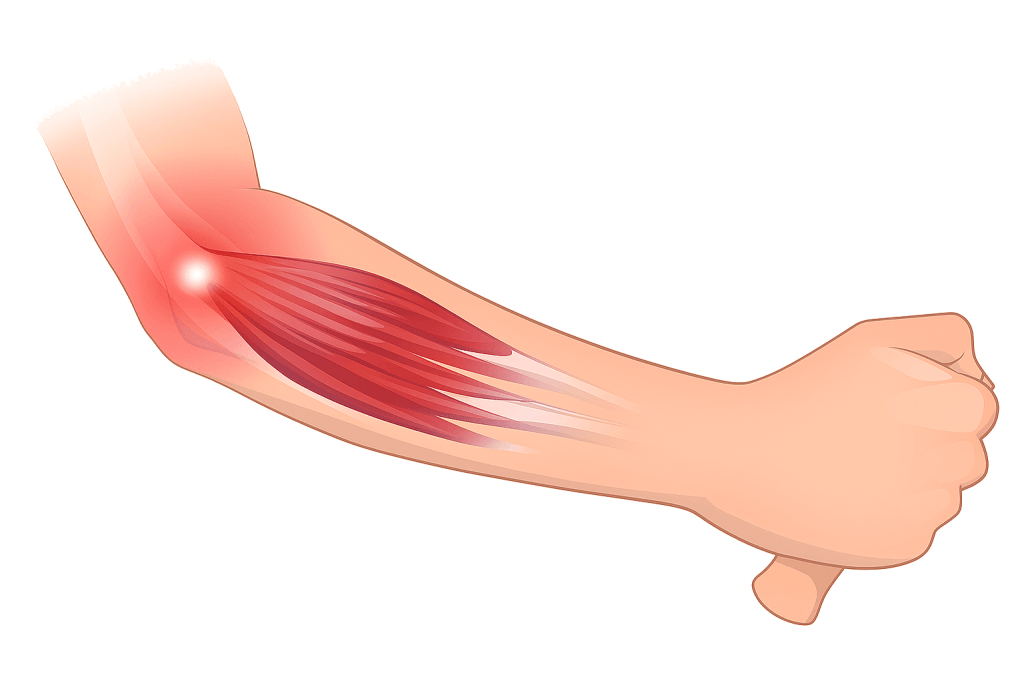
Symptoms of Tennis Elbow
The symptoms of tennis elbow can vary in severity but typically include:
- Pain on the outer part of the elbow, which may radiate down the forearm.
- Weak grip strength, making it difficult to hold objects or shake hands.
- Pain when bending the wrist backwards, opening fingers, or making a fist.
- Soreness around the lateral epicondyle, often worsening with repetitive activities.
- Dull ache at rest or sharp pain during certain movements.
In severe cases, the pain may interfere with daily tasks such as lifting, carrying, or even typing.
Causes of Tennis Elbow
Tennis elbow is primarily caused by overuse or repetitive strain of the forearm muscles and tendons. Factors contributing to the condition include:
- Repetitive movements of the wrist and arm, especially in sports like tennis, rowing, canoeing, swimming, or weightlifting.
- Poor technique during sports or work tasks, placing excess stress on the elbow.
- Weak forearm or shoulder muscles, leading to overload of the tendons.
- Inappropriate equipment, such as heavy tennis racquets or improperly sized grips.
- Occupational strain, including repetitive assembly line work, gardening, or manual labor.
- Other factors, such as nerve irritation from the neck or poor blood supply to tendons.
Medical conditions like bursitis, osteoarthritis, ligament sprain, fractures, avulsion fractures, nerve entrapment, or osteochondritis dissecans can also cause or worsen elbow pain.
Diagnosis
A healthcare provider will usually diagnose tennis elbow based on:
- Physical examination of the elbow and forearm.
- Checking for tenderness around the lateral epicondyle.
- Assessing range of motion, grip strength, and pain during specific movements.
- Imaging tests (like X-rays or MRI) may be recommended to rule out fractures, arthritis, or nerve problems.
Treatment Options
The treatment of tennis elbow depends on the severity of symptoms and how long they have persisted.
Home Care
- Rest: Avoid activities that strain the elbow.
- Ice therapy: Apply ice packs for 15–20 minutes several times a day to reduce pain and inflammation.
- Pain relief: Over-the-counter medications like NSAIDs or acetaminophen can help manage discomfort.
Physiotherapy and Exercises
- Stretching and strengthening exercises: Gradually strengthen forearm muscles and tendons under guidance from a physiotherapist.
- Soft tissue massage: Helps improve circulation and reduce muscle tension.
- Taping or bracing: Supports the elbow and reduces strain on tendons.
Advanced Treatments
- Corticosteroid injections: Previously common, but now less recommended due to potential long-term harm.
- Platelet-rich plasma (PRP) injections: Experimental treatment that may help tendon healing.
- Acupuncture: Can provide temporary relief for some patients.
- Surgery: Reserved for severe cases when pain persists beyond 12 months despite conservative treatment. Surgical options remove damaged tissue or repair tendons.
Prevention of Tennis Elbow
Preventing tennis elbow involves reducing strain on the elbow and forearm muscles:
- Warm up and cool down properly before sports or physical activity.
- Use proper techniques and appropriate equipment for sports.
- Strengthen forearm, wrist, and shoulder muscles with hand weights and resistance exercises.
- Modify work or daily activities that involve repetitive, forceful, or awkward movements of the wrist and elbow.
- Take regular breaks to rest muscles during repetitive tasks.
When to See a Doctor
Consult a healthcare provider if:
- Pain persists despite home care.
- You experience severe swelling, bruising, or inability to move the elbow.
- Numbness, tingling, or nerve-related symptoms occur.
- A child has elbow pain, which may indicate a pulled elbow.

Book your appointment now with Dr pranay for Tennis elbow pain
Conclusion
Tennis elbow is a common but manageable condition. Most cases improve with rest, ice, proper exercises, and avoiding repetitive strain. However, persistent or severe cases require medical evaluation to prevent long-term damage. With appropriate treatment and preventive measures, you can return to your normal activities and minimize the risk of recurring elbow pain.